supplements for menopause
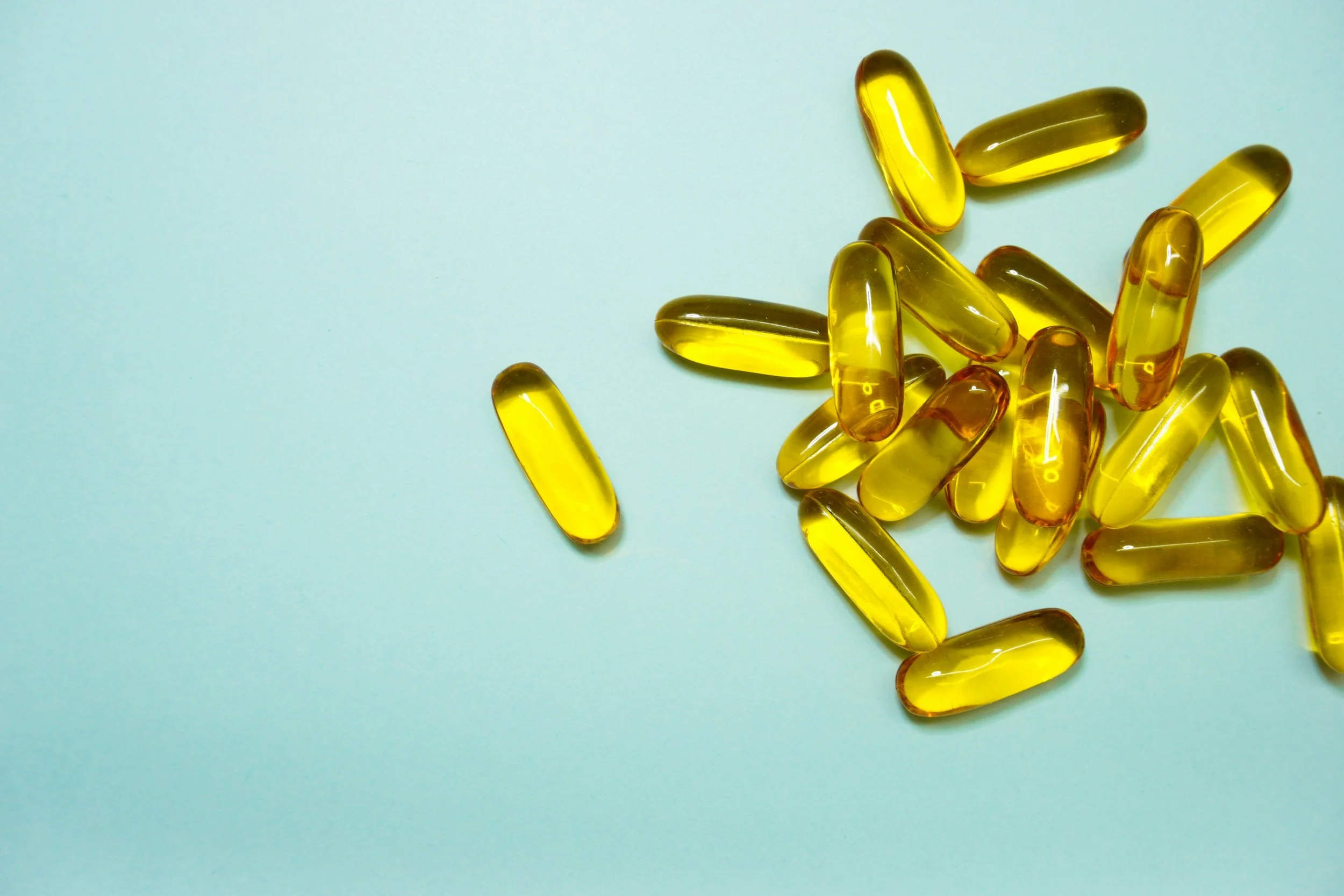
As more women seek a greater sense of control over their health, there has been a growing interest in holistic and natural approaches to wellbeing. Rather than simply masking symptoms, holistic health focuses on supporting the body as a whole through nutrition, lifestyle, stress management, movement and targeted supplementation. This shift is particularly relevant during menopause, when many women are looking for natural ways to navigate hormonal changes and support their physical and emotional health. While supplements are not a cure for menopause, they can play a valuable role in helping women feel their best during this important life transition.
Menopause is a natural transition in a woman's life, but the symptoms that often accompany it can be challenging. Hot flushes, poor sleep, mood changes, brain fog, fatigue, joint aches, and weight gain can all affect quality of life. While there is no single supplement that can "fix" menopause, targeted nutritional support can help nourish the body, address nutrient gaps, and support overall wellbeing during this stage of life.
Before reaching for supplements, it is important to remember that the foundations of health still matter most. A diet rich in whole foods, regular movement, quality sleep, stress management, hydration and limiting sugary foods and alcohol can have a significant impact on menopausal symptoms. Supplements work best when they complement a healthy lifestyle rather than replace it.
1. Magnesium
Magnesium is often considered one of the most valuable supplements during menopause. This essential mineral is involved in hundreds of processes throughout the body and many women do not get enough from their diet alone.
Magnesium may help support better sleep, reduce muscle tension, promote relaxation and support a healthy stress response. It can also assist with headaches, restless legs, and occasional constipation, which are common complaints during menopause. Magnesium glycinate is often recommended for sleep and relaxation, while magnesium citrate may be useful for those struggling with constipation.
Many women report feeling calmer and sleeping more deeply when magnesium becomes part of their daily routine.
2. Omega 3 Fish Oil
Omega 3 fatty acids are healthy fats that play an important role in heart, brain, and joint health. During menopause, women experience a natural increase in cardiovascular risk due to hormonal changes, making omega 3 intake particularly important.
Fish oil may help support heart health, reduce inflammation, support cognitive function, and ease joint discomfort. Some research also suggests omega 3 fats may help support mood and emotional wellbeing.
If you do not regularly eat oily fish such as salmon, sardines, or mackerel, a quality omega 3 supplement may be worth considering. For those following a plant based diet, algae derived omega 3 supplements are available.
3. Vitamin D3
Vitamin D is essential for maintaining strong bones and a healthy immune system. Bone loss accelerates during and after menopause, increasing the risk of osteoporosis and fractures later in life.
Vitamin D helps the body absorb calcium effectively and supports bone strength. It may also play a role in immune health, mood regulation, and muscle function. Many women have suboptimal vitamin D levels, particularly during winter months or if they spend limited time outdoors.
Combining vitamin D with weight bearing exercise, strength training, and adequate dietary calcium can help support long term bone health.
A Balanced Approach
Supplements can be helpful tools, but they are not a magic solution. The most effective approach to menopause is a holistic one that focuses on nourishing the body through eating whole foods, movement, restorative sleep, stress reduction and self care practices.
Magnesium, omega 3 fish oil and vitamin D3 are three of the most widely recommended supplements for menopausal women because they support some of the key areas affected during this transition, including sleep, mood, inflammation, heart health and bone strength.
As with any supplement, it is wise to speak with your healthcare professional before starting something new, particularly if you take medication or have existing health conditions. Menopause may bring change, but with the right support, it can also be an opportunity to prioritise your health and wellbeing in a whole new way.