what if we celebrated menopause instead ?
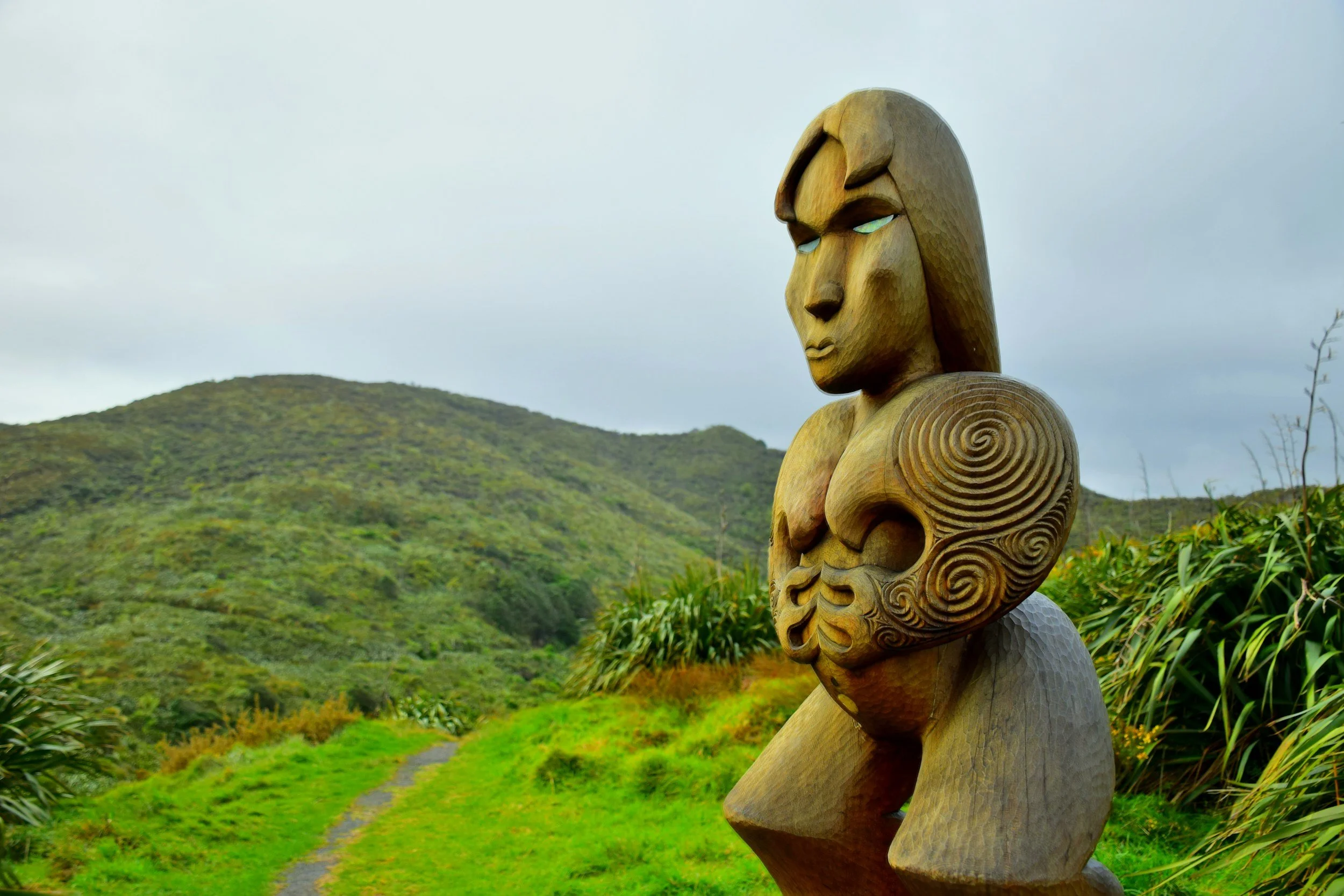
For generations, most of the Western world have been taught to see menopause as something to fear, fix or hide.
Hot flushes. Weight gain. Sleepless nights. Mood changes. Brain fog. A body that suddenly feels unfamiliar.
But what if menopause isn't a decline?
What if it is a transition into a different kind of power?
Across cultures, there are traditions and beliefs that have viewed older women with greater respect, authority and wisdom. While experiences vary enormously between individuals and communities, there is something we can learn from cultures where ageing is associated with status, knowledge, community and contribution.
Indigenous Māori culture — mana, whakapapa and the wisdom of wahine
Within traditional Māori worldviews, older women have held important roles within whānau and community. The concept of mana speaks to authority, dignity, standing and influence.
The transition through life is not simply about losing youth. It can be about gaining knowledge, responsibility and a deeper connection to whakapapa.
A wahine who has lived, raised families, carried responsibilities and gathered life experience has something incredibly valuable to offer the generations coming behind her.
Her age can add to her mana rather than diminish it.
Japan — wisdom and maturity
In Japanese culture, ageing has traditionally been associated with respect and wisdom. The concept of keiro celebrates older people and their contribution to family and society.
Rather than viewing ageing simply as something to resist, there is an understanding that life brings different stages — and with age comes experience.
For women, this can offer a powerful alternative to the Western obsession with looking young.
You don't become less valuable as you age. You become more experienced.
India — the changing role of the older woman
In many traditional Indian families and communities, older women can move into a different position of influence as they age.
There can be greater respect for their experience, knowledge and role within the family.
Menopause may therefore sit within a much larger life transition — one in which a woman's responsibilities, identity and relationship with herself can evolve.
It reminds us that midlife isn't simply about losing one identity. It can be about stepping into another.
China — ageing and respect
Traditional Chinese philosophy places significant value on elders, with age often associated with wisdom, experience and knowledge.
The idea of respecting elders creates an environment where growing older can be connected with social value rather than invisibility.
Imagine if women entered menopause surrounded by messages saying:
You have lived. You have learned. You have something to teach.
Instead of:
You're getting old.
What a difference that could make.
Some Indigenous cultures — elderhood as a position of knowledge
Across many Indigenous cultures around the world, elders have traditionally played important roles as knowledge keepers, storytellers, teachers and guardians of cultural traditions.
It is important not to romanticise or generalise these cultures — women's experiences of menopause have never been identical everywhere.
But the broader lesson is powerful:
Age can bring authority.
And perhaps this is something modern women desperately need to reclaim.
So why does celebration matter?
Because the story we tell ourselves about menopause can influence how we experience it.
If menopause is presented as the beginning of decline, women can enter it feeling frightened, embarrassed or disconnected from their bodies.
But if we begin to see it as a rite of passage, a transition and a new chapter, something changes.
Celebrating menopause doesn't mean pretending the transition is easy. It can be challenging, uncomfortable and deeply personal.
It means refusing to believe that a woman's value is tied to her youth. Because menopause doesn't make a woman invisible.
It can be the moment she becomes more visible to herself.
And when women feel supported, respected and celebrated through this transition, they don't have to walk into midlife apologising for getting older.
Imagine walking into Menopause with confidence, connection, wisdom and mana.
Maybe Menopause isn't the end, maybe, it is the Beginning.