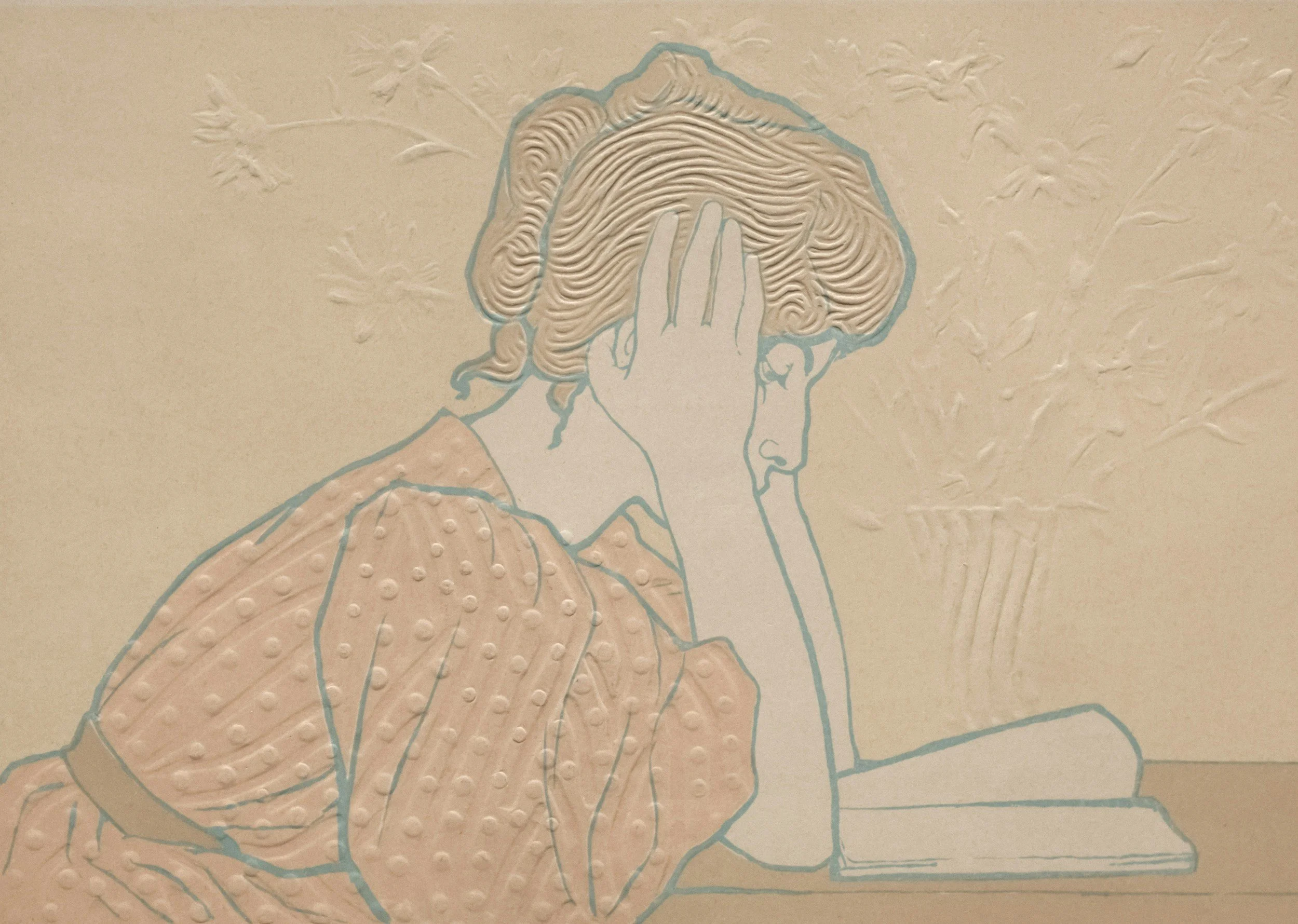
For many women, midlife is a particularly demanding season. There is work, family, relationships, ageing parents, household responsibilities, financial pressures and the endless mental list that seems to live permanently in the back of the mind. There is always something that needs organising, remembering, arranging or fixing.
Women are often the ones holding everything together.
We become the person who knows where everything is, what everyone needs and what needs to happen next. We keep the household moving, support the people around us and continue showing up at work. Even when we are exhausted, there is often very little room to simply stop.
The problem with constant busyness is that the body does not necessarily recognise it as normal life. It can experience the continual rushing, pressure and responsibility as ongoing stress. When stress becomes chronic, the body spends more time in a heightened state of alert and less time in recovery.
Over time, this can affect sleep, energy, mood, blood pressure, appetite and blood sugar regulation. It can also place additional strain on cardiovascular health. Chronic stress is associated with an increased risk of a number of serious health conditions, including cardiovascular disease, which remains one of the leading causes of death for women.
This is particularly relevant during midlife because the body is already going through significant change. Hormonal fluctuations and declining oestrogen can influence sleep, body composition, mood, energy and the way the body responds to stress. Life does not necessarily become quieter during this transition. Often, it becomes louder.
Instead of slowing down, many women simply become better at functioning while exhausted.
They drink another coffee. They push through another tired day. They catch up on work after everyone else has gone to bed. They put off exercise because there is no time. They eat quickly, sleep poorly and continue carrying responsibilities that have accumulated over years.
Eventually, being busy can become an identity.
There is a difference between having a full life and living in a constant state of pressure. A full life can contain purpose, connection, work and family while still leaving space for recovery. Constant busyness leaves very little room for the body to repair, regulate and restore.
Midlife is often the point where this becomes impossible to ignore.
The body starts asking for something different. Sleep becomes more important. Strength and muscle matter. Nutrition matters. Blood sugar regulation matters. Recovery matters. Time away from screens, work and responsibility matters. The nervous system needs periods of calm rather than another demand placed upon it.
Taking care of ourselves cannot remain something that happens after everybody else has been taken care of.
The load women carry is real, but carrying everything indefinitely comes at a cost. Health cannot continually sit at the bottom of the priority list while everything else takes precedence.
Being busy is not a measure of worth, and exhaustion is not a sign that we are doing a good job.
Sometimes the most important shift in midlife is not adding another healthy habit to an already full life. It is recognising that something has to come off the list.
There needs to be space for the woman who has spent years making sure everyone else is okay.
That woman - matters too.