There comes a point in midlife when you start to realise that what you eat really does matter. You might notice that your energy is different, your weight is harder to manage, your sleep is disrupted or you are reaching for something sweet more often than you used to. You may even feel that the foods you have eaten for years are no longer serving you in quite the same way.
This is where nutrition becomes particularly important.
During perimenopause and menopause, our bodies go through significant changes. Supporting ourselves with whole, nutrient rich foods is one of the simplest and most effective ways to look after our health, support metabolic function and give our bodies the nourishment they need.
So, what do I mean by whole foods?
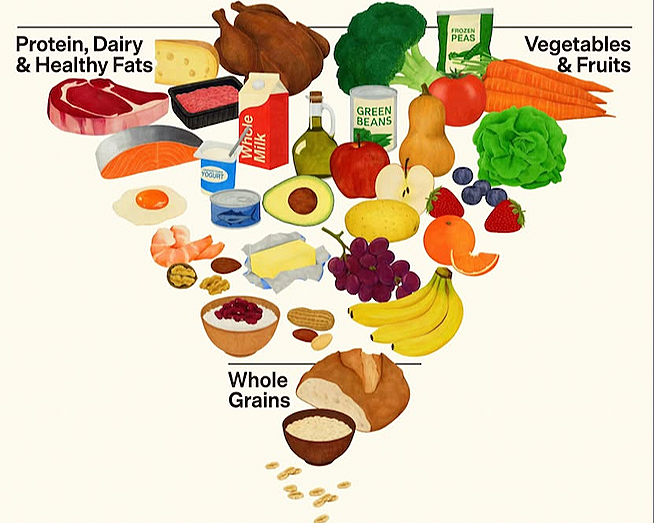
Think fresh vegetables, leafy greens, berries, seasonal fruit, legumes, lentils, nuts, seeds, wholegrains, eggs, fish and quality sources of protein. Foods that are as close to their natural state as possible, providing vitamins, minerals, fibre, healthy fats and essential nutrients.
These foods do much more than simply fill us up.
They help support blood sugar balance. Including protein, fibre and healthy fats in our meals helps slow digestion, support more stable blood glucose levels and reduce the highs and lows that can leave us feeling tired, irritable and reaching for sugar.
They support gut health. Fibre from vegetables, fruit, legumes and wholegrains feeds beneficial gut bacteria. A healthy gut plays an important role in digestion, immune function and overall wellbeing.
They help manage inflammation. Colourful vegetables, berries, olive oil, nuts and seeds contain antioxidants and other beneficial compounds that help support the body's natural inflammatory response.
They support muscle and bone health. Protein is essential for maintaining muscle mass, particularly as we move through midlife. Combining adequate protein with resistance exercise is important for maintaining strength, mobility and metabolic health.
They support energy and overall wellbeing. Our bodies need a variety of vitamins and minerals to support everything from energy production to brain function and immune health. Eating a diverse range of whole foods helps provide these essential nutrients.
And here is something worth remembering. Eating well does not mean being restrictive, giving up everything you enjoy or following another complicated diet.
It is about making better choices more often. Adding more vegetables to your plate, choosing protein with each meal, enjoying healthy fats, drinking enough water and being mindful of how much processed food and added sugar you consume.
You do not need to overhaul your entire lifestyle overnight.
Start with one meal. Make a few changes. Pay attention to how you feel.
Menopause is a time when looking after yourself becomes even more important. Rather than fighting your changing body, start giving it the nourishment, movement and care it deserves.
You cannot control every change that comes with menopause, but you can take an active role in supporting your health. And what you put on your plate is a very good place to start.